Choosing the best patio material for Pennsylvania homes starts with climate, not Pinterest boards. Freeze-thaw cycles, clay soils, and wet winters punish weak bases and rigid slabs that cannot move. Keystone Outdoor Solutions builds outdoor living surfaces across Lancaster, Berks, Lebanon, and Chester counties, and the same material fails or thrives based on how it is installed under Central Pennsylvania ground conditions.
Style still matters. Longevity depends on water management first. Lancaster patio installation specialists should walk budget, repair plans, and soil before locking a surface choice.
What Pennsylvania Weather Demands From a Patio
Water freezes and expands in soil, joints, and slab pores. Lancaster County and much of South Central Pennsylvania see many freeze-thaw swings in a typical winter. Clay holds moisture longer than sandy ground, so undersized bases stay wet and move.
A good patio material for this region should either flex at joints or sit on a base that keeps water moving. Repairability also matters. A surface that allows unit replacement beats a slab that needs a visible patch after the first crack.
Salt, steel shovels, and grill grease are secondary. They affect appearance. Structural failure almost always starts underground.
Concrete Pavers: The Flexible Freeze-Thaw Performer
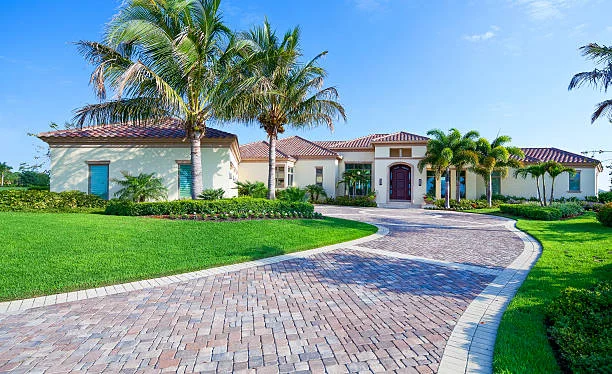
Concrete pavers are manufactured units set on a compacted aggregate base with joint sand and edge restraints. Quality products meeting ASTM freeze-thaw durability standards handle Pennsylvania winters well when the base is deep enough and drained. Individual units can be lifted and reset if a section settles.
Unilock and Techo-Bloc lines common on Keystone Outdoor Solutions projects offer color, texture, and pattern options that mimic stone or plank wood without a full natural-stone budget. Patterns such as running bond, herringbone, and modular blends change both look and interlock.
Strengths: Repairable fields, strong freeze-thaw track record with proper base, wide design range, good long-term value.
Trade-offs: Higher upfront cost than plain poured concrete; joint maintenance; weeds if sand is neglected.
For lifespan detail specific to this climate, see how long paver patios last in Pennsylvania. Base depth on clay often needs more than warm-climate minimums.
Stamped Concrete: Look of Stone at a Lower Entry Cost
Stamped concrete is a poured slab textured and colored to resemble stone, brick, or wood. It can look rich for the first years and costs less per square foot than many paver systems at installation.
As a rigid slab, it cracks when the ground moves. Freeze-thaw and clay make control joints and base prep critical. Crack repairs rarely disappear. Color and sealer wear need periodic resealing for appearance.
Stamped concrete contractors in Lancaster PA still specify proper thickness, reinforcement where appropriate, and drainage. Stamped work is a valid choice when budget is tight and owners accept crack risk and sealing schedules.
Strengths: Lower entry cost, seamless look, fast coverage of large shapes.
Trade-offs: Crack visibility, harder invisible repairs, sealer maintenance, less flexibility than pavers.

Poured Concrete: Simple, Rigid, and Budget Friendly
Plain poured concrete is the lowest-cost hard surface for many yards. It works for utility pads and simple patios when joints are planned and water is graded away from the house.
Aesthetics are limited without staining or stamping. Cracks are normal over time in this climate. Expansive clay and frost movement increase that risk. Broom finishes help traction; smooth trowel finishes can get slick when wet.
Strengths: Lowest typical installed cost, simple shapes, quick install windows.
Trade-offs: Cracking, limited luxury look, repairs show, less design flexibility than pavers or stone.
Natural Stone and Flagstone: Premium Character
Pennsylvania flagstone, bluestone, and similar natural stone create a premium, irregular or cut-stone surface that many Main Line and estate properties prefer. Dry-laid stone on a compacted base or wet-laid systems with mortar each behave differently in freeze-thaw.
Natural stone can last decades when bedding and drainage are correct. Irregular surfaces can complicate furniture stability. Material and labor costs usually sit at the top of the range. Thickness, stone type, and joint method must match climate, not only color.
Strengths: High-end look, long material life, strong curb appeal.
Trade-offs: Highest cost, more skill required, possible unevenness, longer install times.
Brick Patio Surfaces
Clay brick pavers deliver traditional character for historic and colonial homes. They need units rated for exterior paving and freeze-thaw exposure. Soft face brick meant for walls is the wrong product outdoors.
Brick works in classic patterns such as running bond, basket weave, and herringbone. Cost often falls between mid-grade concrete pavers and premium natural stone depending on brick type and labor.
Strengths: Traditional aesthetic, proven residential history, repairable units.
Trade-offs: Color range narrower than concrete pavers; quality varies; wrong brick type fails outdoors.
Porcelain and Specialty Options
Porcelain outdoor tiles and slabs are gaining attention for modern designs and low absorption. They demand precise substrates and edge details. Not every installer is set up for outdoor porcelain systems in freeze climates.
Specialty products can succeed with manufacturer-approved assemblies. They are not a shortcut around base engineering. Ask for outdoor-rated products and local install experience before choosing porcelain as a primary patio field.
Strengths: Modern look, low water absorption on quality products.
Trade-offs: Specialized install, system-dependent durability, limited local crew depth in some markets.
Side-by-Side Material Comparison for Pennsylvania
Ranges below are directional for residential work in 2026 Central Pennsylvania conditions and assume professional installation. Site access, demo, steps, and walls change totals. For a deeper two-way breakdown, read the full pavers versus stamped concrete comparison for Lancaster.
| Material | Typical PA freeze-thaw behavior | Repair approach | Relative installed cost | Best fit |
|---|---|---|---|---|
| Concrete pavers (ASTM-grade) | Strong when base drains; joints flex | Lift and reset units | Mid to mid-high | Most residential outdoor living |
| Stamped concrete | Rigid; cracks possible over time | Patch or resurface (often visible) | Low to mid | Budget decorative look |
| Poured concrete | Rigid; control joints required | Crack fill or slab sections | Lowest | Utility and simple pads |
| Natural flagstone / bluestone | Excellent with correct bed | Individual stone work | Highest | Premium, natural aesthetic |
| Exterior clay brick pavers | Good if exterior-rated | Unit replacement | Mid to high | Traditional homes |
| Outdoor porcelain systems | Product-system dependent | Specialized | High | Modern design, skilled install |
No surface material forgives a two-inch base on Lancaster clay. The comparison assumes correct subgrade work for each system.
Material samples in a showroom tray will not show how a slab cracks or a paver field resets after five Pennsylvania winters. Call (717) 710-1601 or request a free patio consultation to match surface options to soil, drainage, and how the space will be used.
How to Match Material to Budget, Style, and Maintenance
Choose concrete pavers when long-term repairability, design range, and freeze-thaw performance rank above lowest first cost. Choose stamped concrete when the budget needs a decorative look now and owners accept sealing and possible visible crack repairs. Choose poured concrete when function beats form and cost is the top constraint. Choose natural stone when the architecture and budget support a premium, unique surface. Choose brick when traditional character is non-negotiable and exterior-rated units are specified.
Maintenance tolerance matters. Pavers need joint attention over years. Stamped and plain concrete often need sealers for appearance. Stone needs occasional cleaning and joint care depending on the system. No material is zero care in a four-season state.
Installation Factors That Matter More Than Catalog Photos
Base depth, geotextile over clay, slope away from the house, edge restraint on pavers, control joints on slabs, and downspout routing decide lifespan. A premium stone on mud fails. A mid-grade paver on a correct base can look sharp for decades.
Access for equipment, existing tree roots, and adjacent retaining walls change both design and cost. Permits and impervious coverage rules vary by municipality across Pennsylvania. A free onsite visit catches those constraints before materials are ordered.
Keystone Outdoor Solutions prices and builds from the ground up so surface choice is not separated from drainage reality. That approach prevents the common failure of buying a look without buying a system.
Conclusion
Choosing the best patio material for Pennsylvania homes means ranking freeze-thaw behavior, repair path, and budget before color chips. Concrete pavers lead for many Central Pennsylvania yards because they combine durability with unit-level repair. Stamped and plain concrete serve lower entry budgets with rigid-slab trade-offs. Natural stone and quality brick deliver character at higher cost when installed for this climate.
Keystone Outdoor Solutions helps homeowners weigh those options against real Lancaster-area soils and winter cycles, then builds the base that makes the surface choice last. For number-driven planning after material direction is clear, review patio project cost factors in Lancaster PA and schedule a site visit for a firm scope.
Ready to pick a patio surface that survives Pennsylvania winters? Call Keystone Outdoor Solutions at (717) 710-1601 or request a free patio consultation and compare materials against drainage, use, and long-term repair plans, not catalog photos alone.
Frequently Asked Questions
1. What is the best patio material for freeze-thaw climates like Pennsylvania?
For many Pennsylvania homes, ASTM-grade concrete pavers on a well-drained, compacted base are the strongest all-around choice because the system flexes at the joints and individual units can be repaired without replacing the whole field. Natural stone also performs well when bedding and drainage are correct, usually at a higher cost. Stamped and plain poured concrete can work, but they are rigid slabs and are more likely to show cracks as clay soils and freeze-thaw cycles move the ground. The “best” material still fails on a shallow, wet base. Climate filters the shortlist; soil and install quality decide the winner. Homeowners should ask contractors about base depth, geotextile on clay, and slope before debating colors. Product warranties never replace workmanship on the underground layers.
2. Are concrete pavers better than stamped concrete for Lancaster County yards?
Often yes for long-term repairability and freeze-thaw movement, though stamped concrete can win on lower upfront cost and a seamless look. Pavers handle small ground movement through joints. Stamped concrete cracks as a slab, and repairs usually stay visible. Lancaster County clay holds moisture that freezes, so base design matters for both. Pavers typically cost more to install and need joint maintenance over time. Stamped surfaces often need resealing to keep color and finish. The right pick depends on budget, how long the household plans to stay, and tolerance for crack risk versus joint care. Side-by-side bids should separate base work from surface finish so comparisons stay honest. A cheap stamped slab on a weak base is not a bargain after three winters. Both pavers and stamped concrete last longer with regular maintenance, and our seasonal landscape cleanup services help keep surrounding patios, walkways, and outdoor spaces in great condition year-round.
3. Is natural flagstone or bluestone worth the cost for a Pennsylvania patio?
Natural stone is worth the cost when the household wants a premium, one-of-a-kind surface and will invest in proper base or mortar work for freeze-thaw conditions. Material life can be excellent, and repairs can target individual stones. Costs rise because stone is expensive, labor is skilled, and irregular shapes slow install. Furniture stability can be harder on highly irregular dry-laid surfaces unless stones are selected and set carefully. For many mid-range budgets, high-quality concrete pavers deliver similar outdoor living function with more uniform flatness. Estate and historic properties often prefer real stone for authenticity. The decision should include drainage plans and long-term maintenance, not only the first-day photo. Onsite sample layouts beat online pictures for color and scale.
4. How much does patio material choice change the total project price in Pennsylvania?
Surface material is only part of the total. Base excavation, stone depth, demolition, steps, seating walls, and access often rival or exceed the surface line item. Moving from plain concrete to stamped concrete usually adds decorative labor and materials. Moving to concrete pavers or natural stone typically raises both material and labor further. Complex patterns, borders, and multi-level layouts multiply cost on any material. Municipal constraints and poor soils can force deeper bases that raise every option. Directional ranges help planning, but firm numbers need measurements and a site visit. Homeowners should request scopes that list base, surface, and drainage separately. That structure makes material upgrades easier to evaluate without hidden omissions.
5. What maintenance does each major patio material need in a four-season state?
Concrete pavers need occasional joint sand attention, debris cleaning, and optional sealing depending on product and preference. Stamped and plain concrete often need resealing on a multi-year cycle to protect color and surface finish, plus crack monitoring. Natural stone needs cleaning and joint or mortar care based on whether the system is dry-laid or wet-laid. Brick needs joint upkeep and should be exterior-rated from day one. All surfaces benefit from good downspout routing and careful snow removal that avoids steel edges when possible. No patio is maintenance-free through Pennsylvania winters and summer storms. Neglecting drainage causes more damage than skipping a cosmetic sealer. Match maintenance willingness to material before signing a contract.
6. Should Pennsylvania homeowners avoid any patio material entirely?
Avoid interior-only brick, thin decorative products not rated for outdoor freeze-thaw, and any system installed without a climate-appropriate base. Porcelain and other specialty systems are not automatic rejects, but they require outdoor-rated products and installers experienced with the full assembly. Bargain stamped or poured slabs without joints, slope, or base prep are high-risk in clay and freeze-thaw regions. DIY thin overlays over failing concrete often hide problems instead of fixing them. The material itself is less dangerous than a mismatched product plus weak underground work. Ask for manufacturer names, outdoor ratings, and base specifications in writing. A short contractor visit prevents expensive material mistakes. Local experience with Pennsylvania winters is a practical filter when reviewing portfolios.