Most Lancaster homeowners asking this question already have a number in mind. The real issue is not which option costs less to build. It is which one holds its value longer, performs better through Pennsylvania winters, and appeals to buyers when the property sells.
As a deck builder Lancaster PA and patio contractor, Keystone Outdoor Solutions builds both. The right answer depends on three things: yard terrain, how the space will be used, and what Lancaster homebuyers actually look for.
What Makes Lancaster Different When Comparing Deck vs Patio
Lancaster County is not flat. Rolling terrain, sloped backyards, and properties that step down from the house are common across the region. That terrain factor changes the deck vs patio calculation in ways that national comparison guides never address.
On a sloped lot, a deck is often the more practical starting point. Building a grade-level patio on a significant slope requires excavation, retaining walls, and drainage work before a single paver is laid. A deck spans that slope without disturbing the grade, which reduces site prep costs and protects the existing landscape.
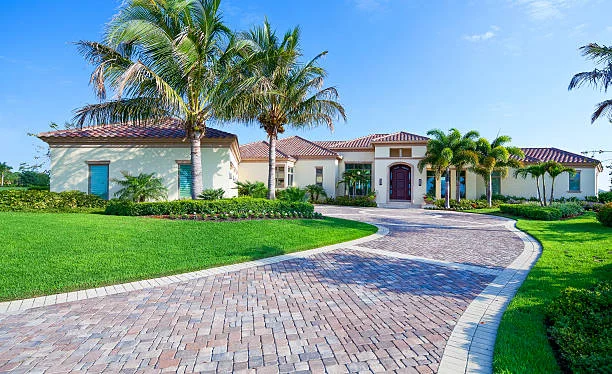
On flat or gently graded ground, a patio is typically more cost-effective and more durable over time. Flat ground allows for direct paver installation with minimal excavation. A well-built paver patio on a stable base also handles Lancaster’s freeze-thaw cycles without the structural concerns that affect wood decking over time.
Cost Comparison: Deck vs Patio in Lancaster PA
Cost is the first filter most homeowners apply, and the numbers differ more than most expect. The table below reflects 2026 pricing for Lancaster County residential projects.
| Feature | Wood Deck | Composite Deck | Paver Patio |
|---|---|---|---|
| Cost per sq ft (Lancaster) | $15 to $30 | $30 to $60 | $12 to $30 |
| Typical project total | $12,000 to $25,000 | $20,000 to $40,000 | $8,000 to $20,000 |
| Lifespan (maintained) | 10 to 15 years | 25 to 30 years | 25 to 50+ years |
| Permit required | Yes | Yes | Varies by municipality |
| Annual maintenance cost | $500 to $1,500 | $100 to $300 | $100 to $400 |
A wood deck carries the lowest upfront cost, but its lifespan in Pennsylvania’s climate is the shortest of the three. Composite decking costs more to install but carries far lower annual maintenance costs. A patio contractor Lancaster PA building with Unilock or Techo-Bloc pavers produces a surface that routinely outlasts both deck options by decades with proper installation.
The cost comparison shifts further when maintenance is factored over 20 years. A wood deck costing $12,000 to build can accumulate $10,000 to $15,000 more in staining, sealing, and board replacement over two decades. A paver patio requires periodic re-sanding and resealing at $1 to $3 per square foot every three to five years.
Deck vs Patio: Strengths and Limitations at a Glance
Comparing deck vs patio without knowing the site-specific tradeoffs leads to the wrong choice more often than most homeowners realise. The strengths and limitations below reflect Lancaster County conditions, not the national averages found in most comparison guides.
What a Deck Does Well in Lancaster
A deck performs best on properties where the ground drops away from the house. It creates usable outdoor space over a slope without excavation, fill material, or retaining wall work. Decks also work well when a homeowner wants a clearly separated outdoor “room” with a physical elevation between the living space and the yard. Adding a pergola, roof structure, or privacy screening to a deck is also structurally simpler than adding the same to a ground-level patio.
The tradeoff is maintenance and lifespan. Wood decking in Lancaster’s four-season climate requires annual staining and sealing at minimum. Composite decking reduces that workload significantly but adds cost upfront. Either way, the structural components (ledger board, joists, footings) all carry inspection requirements that a patio surface does not. Building the right structure starts with an honest assessment of the site. That is where Keystone Outdoor Solutions begins every project conversation, because choosing the wrong structure for the terrain costs more to fix later than the price difference at the start.
What a Patio Does Well in Lancaster
A paver patio built with quality concrete pavers handles Lancaster’s freeze-thaw cycling better than any wood product. Individual pavers can be pulled and reset if minor settling occurs, keeping the repair cost low and the surface looking clean for decades. A paver patio on a flat Lancaster lot typically outlasts a wood deck by 15 to 20 years without approaching the same total maintenance cost over that period.
The limitation is terrain. Any slope of more than two feet between the house and the yard starts to work against a grade-level patio. Grading, drainage, and base preparation add cost that can quickly close the price gap between a patio and a deck. On a true slope, a deck is the more practical structure. On flat Lancaster properties, a well-built paver patio wins on every long-term measure.

ROI and Resale Value: What the Data Shows for Pennsylvania
Return on investment is where the comparison gets more nuanced. National data from the 2025 Cost vs Value Report shows wood deck additions recouping 65 to 75% of project cost at resale. Composite decks return 60 to 70%. Paver patios consistently return 50 to 75% depending on materials, design quality, and market conditions.
On raw percentages, a well-built wood deck edges out a basic paver patio in resale return. That gap narrows quickly when material quality and project scope are equal. A premium paver patio built with Unilock or Techo-Bloc products, paired with integrated seating walls, consistently performs at the high end of the patio ROI range in Lancaster County.
South Central PA buyers consistently rank usable outdoor space, low maintenance, and durability as top priorities. A patio built to last 40 years with no rot risk and no annual staining requirement is a strong selling point in this market. That combination of quality materials and a practical layout is what drives buyer interest at the higher end of the Lancaster County resale market.
Does a Covered Patio Add Value in Lancaster PA
A covered patio is one of the most misunderstood additions in Lancaster County outdoor living. Most homeowners treat the cover as a luxury, but in Pennsylvania’s climate it is a practical extension of the season. An uncovered patio in Lancaster sits unused from November through March and during summer thunderstorms. A pergola or pavilion over that same surface turns it into a three-season space that adds real daily use throughout spring, summer, and fall.
The ROI on a covered patio depends on the cover type. A freestanding pergola over a paver patio adds $5,000 to $15,000 to the project cost and returns reliably at resale because it extends the perceived usability of the space for buyers walking through. A full hardtop pavilion with a permanent roof adds $20,000 to $40,000 but increases the amount of covered outdoor living square footage on the property, which appraisers and buyers both weigh positively in Lancaster County’s market.
The key to maximising that return is proportion. A covered patio structure sized correctly for the home’s footprint and built in materials that complement the home’s exterior reads as a planned feature at resale, not a bolt-on. Keystone Outdoor Solutions designs covered patio structures at the right scale for each property so the finished result looks intentional from the street and functions well year-round.
Learn More: Deck Staining vs Painting Pennsylvania: Which Lasts Longer
Terrain and Yard Type: Which One Fits Lancaster Properties
The yard itself should drive a large part of the decision. Lancaster County’s varied topography means there is rarely one right answer that applies to every property.
A deck is the stronger choice when the ground slopes away from the house by more than two feet. Decks handle elevation changes without major earthwork. A well-designed deck on a sloped lot creates usable space where a flat patio would require fill material, retaining walls, and drainage infrastructure. For properties where the main living level sits above grade, a deck is also the natural connection between indoors and outdoors.
A patio is the stronger choice on flat or gently rolling ground. It sits at grade, making it more accessible, easier to furnish, and simpler to integrate with the surrounding landscape. Paver patios can be expanded over time without structural modifications. On flat Lancaster properties, a patio also connects naturally to lawn space, garden areas, fire pit seating, and sitting walls.
How to Choose Based on How You Plan to Use the Space
ROI data and terrain both matter, but the most accurate way to choose between a deck and a patio is to think about what happens in the space on a regular basis, not just on a summer weekend. A structure used three times a year does not justify the same investment as one used from April through October.
Situations Where a Deck Fits the Lifestyle
Homeowners who entertain in smaller groups, prefer an elevated view of the yard, or want a physical boundary between the living area and the lawn tend to get more daily use from a deck. A deck off the back door with a table and chairs is a natural extension of the kitchen for morning coffee, evening meals, and low-effort outdoor time. It also suits homeowners who want to add a covered structure directly attached to the house roofline for shade or year-round use. Properties with a second-story entry point or a walk-out lower level connect more naturally to a deck than to a ground-level patio.
Situations Where a Patio Fits the Lifestyle
Homeowners who entertain large groups, want space for a fire pit, or plan to add an outdoor kitchen contractors Lancaster PA setup tend to get more use from a patio. A patio at grade removes the barrier between the outdoor living area and the yard, which creates a more open, relaxed flow. For Lancaster homeowners who want to add features over time, a paver patio is also the easier base to build on. Sitting walls, fire features, and covered structures all connect to a patio surface more naturally than to an elevated deck platform.
Maintenance Over Time in Pennsylvania’s Climate
Pennsylvania’s climate is one of the most demanding in the Mid-Atlantic for outdoor materials. Lancaster County averages 20 to 30 freeze-thaw cycles per winter. That number is the single biggest factor in how outdoor surfaces hold up over time.
Wood decks take the hardest hit from freeze-thaw cycling. Moisture penetrates the grain, expands when it freezes, and breaks down the wood fiber over time. Pressure-treated lumber handles this better than untreated wood, but annual staining and sealing are not optional in Lancaster’s climate. Boards that are not maintained consistently warp, crack, and need replacement within 10 to 12 years.
Composite decking performs significantly better through freeze-thaw conditions. It does not absorb moisture and does not require staining. Paver patios installed with a compacted gravel base and polymeric sand joints handle freeze-thaw cycling with the least long-term impact of the three options. Individual pavers can be lifted and reset if settling occurs, often without a contractor. Keeping the surface in top condition is straightforward with paver restoration Lancaster PA services that reseal and re-sand joints every few years.
Not sure which option fits the property? Call us at (717) 710-1601 or contact us for a free estimate.We visit the site, assess the grade and drainage, and give a clear recommendation before any cost is committed.
Can You Build Both: When a Combined Approach Makes Sense
Many Lancaster homeowners default to choosing one or the other. The strongest outdoor living spaces often combine both. A deck off the back door and a patio at grade level below it are a natural pairing on any property with a slope.
The deck handles the transition from inside to outside, provides shade when covered, and works as a raised dining or seating area. The patio at grade handles the larger entertaining footprint, fire pit, outdoor kitchen, or pool surround. Designed together as one connected system rather than two separate additions, the result reads as a complete outdoor living environment.
The combined approach costs more upfront. A deck and patio combination on a Lancaster County property typically runs $25,000 to $60,000 or more depending on size, materials, and whether a covered structure is included. Working with a Lancaster hardscaping contractor for the full scope keeps the design cohesive and cuts mobilisation cost compared to phasing the work across two separate builds.
Conclusion
Neither a deck nor a patio is the universally better investment for Lancaster homeowners. A deck earns its value on sloped lots, on properties with second-story access, and for homeowners who want a raised, covered space. A patio earns its value on flat ground, for homeowners who prioritize longevity and low maintenance.
For most Lancaster County properties, a paver patio built with quality materials delivers the stronger long-term return when total lifecycle cost and resale performance are weighed together. On properties with significant grade change, the answer shifts toward a deck or a combined approach. Keystone Outdoor Solutions has been building both across Lancaster, Berks, Lebanon, and Chester counties since 2002. Every recommendation starts with the property, not a preference for one structure over the other.
Keystone Outdoor Solutions builds custom decks and paver patios across Lancaster County and South Central Pennsylvania. Call (717) 710-1601 or contact us for a free estimate to get a property-specific recommendation and full cost breakdown.
Frequently Asked Questions
Q1: Does a deck or patio add more resale value in Lancaster PA?
A paver patio built with quality materials typically delivers stronger long-term resale performance in Lancaster County. Its lifespan and low maintenance requirements appeal strongly to local buyers. Wood decks return 65 to 75% of project cost at resale nationally. Paver patios return 50 to 75% depending on material quality, with premium Unilock or Techo-Bloc installations consistently landing at the high end of that range in the South Central PA market.
Q2: How much does a deck cost compared to a patio in Lancaster PA?
In Lancaster County, a wood deck typically costs $12,000 to $25,000 installed. A composite deck runs $20,000 to $40,000. A paver patio starts around $8,000 to $12,000 for a basic install and rises to $20,000 or more for larger projects with premium materials or seating walls. Patios have a lower upfront cost in most comparisons, and their maintenance costs over 20 years are significantly lower than wood decks.
Q3: Which holds up better in Pennsylvania winters, a deck or a patio?
A paver patio holds up better through Pennsylvania’s freeze-thaw cycles than a wood deck. Pavers do not absorb moisture, do not rot, and individual units can be reset if settling occurs without replacing the whole surface. Wood decks require annual staining and sealing to resist moisture damage in Lancaster’s climate. Composite decking performs better than wood through freeze-thaw conditions but costs more to maintain than a properly installed paver patio.
Q4: Do I need a permit for a deck or patio in Lancaster County?
Decks almost always require a building permit in Lancaster County because they attach to the home’s structure. A permit is typically required for any deck attached to the house or standing more than 30 inches above grade. Patio permit requirements vary by municipality. A ground-level paver patio without a roof or attached structure typically does not require a permit in most Lancaster townships, but any project involving gas lines, electrical, or a roofed structure does.
Q5: What lasts longer, a wood deck or a paver patio in Lancaster PA?
A paver patio lasts significantly longer than a wood deck in Lancaster’s climate. A properly installed concrete paver patio lasts 25 to 50 years with periodic resealing and joint sand maintenance. A pressure-treated wood deck in Pennsylvania typically lasts 10 to 15 years with consistent annual maintenance before boards need replacement. Composite decking extends that to 25 to 30 years, which is more competitive with pavers but comes at a higher upfront cost.
Q6: Does a covered patio add value to a home in Lancaster PA?
A covered patio adds measurable value in Lancaster County because it extends the usable season of the outdoor space significantly. A pergola over a paver patio adds $5,000 to $15,000 to the project cost and returns reliably at resale. A full hardtop pavilion adds more cost but also increases the covered outdoor living square footage that buyers and appraisers factor into the property’s value. The key is keeping the structure proportionate to the home and built with materials that complement the exterior.
Q7: Is it worth building both a deck and a patio at the same property?
Building both makes strong sense for Lancaster properties with a meaningful slope between the house and the yard. The deck handles the elevated transition from the back door and works as a covered dining area. The patio at grade handles the larger entertaining footprint below. Designed as one connected outdoor living space, the combination performs better at resale than either structure alone and gives the property a finished, multi-zone outdoor area that stands out in Lancaster County’s market.