Keystone Outdoor Solutions
Keystone Outdoor Solutions has been working on Lancaster County properties since 2002, and mulching is one of the simplest ways to bring a yard back together for the season. Your yard is often the first thing people notice, and fresh mulch is one of the fastest ways to change what they see. We measure, deliver, and spread so you get a clean, finished result without a weekend of wheelbarrow work.
Get Quick Estimate

About Keystone Outdoor Solutions
Keystone Outdoor Solutions is a hardscape and outdoor living contractor based in Lancaster County. We bring the same standards to mulching that we apply to patios, retaining walls, and outdoor kitchens. Our crews serve Lancaster and the surrounding counties. Every job starts with a free onsite measurement and a written quote.
Our Services
Bed type changes the depth, the texture, and how often the bed gets refreshed. Four categories cover most of what we see on residential properties.
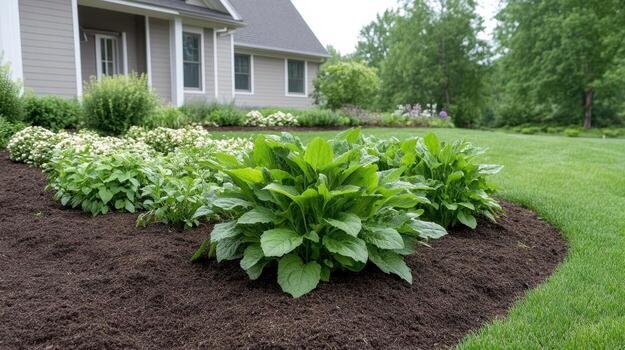
Fresh mulch on foundation beds is one of the fastest ways to improve how a property reads from the street. Our team spreads to an even two to three inches, matches your color choice to the existing siding and stonework, and plans for an annual refresh to keep the look consistent year to year. These are the most visible beds on the property and we treat them that way.
Garden beds and flower borders need a lighter approach than foundation plantings. We spread one to two inches of finer-textured mulch so seasonal flowers and small perennials have room to breathe and grow. We adjust depth and texture for each bed type so nothing gets buried and the finished look reads clean around smaller plants and delicate stems.
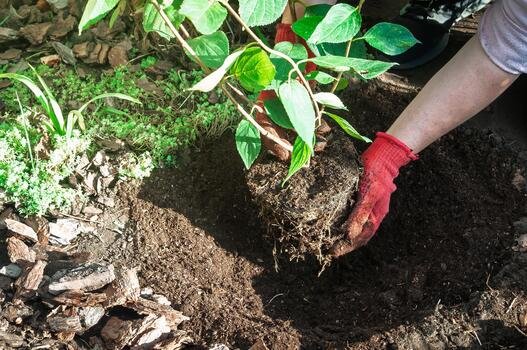
A clean, properly mulched tree ring protects the root zone and supports long-term trunk health. We run two to three inches of mulch at the outer ring and taper it down to nothing at the trunk base. Volcano mulching, where mulch piles directly against the bark, is one of the most common landscape mistakes in Central PA and one we always correct when we see it.
Slopes and erosion-prone beds need a coarser mulch that locks together when water moves through. We use shredded hardwood on graded beds because it holds its position better than chunky pine bark on a slope. Depth runs two to three inches, and we always plan for an annual refresh since runoff moves mulch faster on a graded bed than on a flat installation.
We had Keystone Outdoor Solutions build a paver patio and sitting wall off our kitchen last spring, and it turned out exactly what we hoped for. The team showed up when they said they would, cleaned up every single day, and the finished space looks better than the 3D rendering.
After getting three quotes for a retaining wall, we went with Keystone Outdoor Solutions because they actually walked our slope and explained why the base needed to go deeper than the other guys quoted. One year in, zero settling. Worth every penny.
From the first phone call to the final walkthrough, this was the best contractor experience we have had as homeowners. No runaround, no subcontractors we had never met. Just one team that handled our driveway, stone veneer, and stood behind every piece of it.
Our township is a nightmare with outdoor kitchen permits. Keystone Outdoor Solutions pulled everything, submitted the drawings, and scheduled the inspection without us lifting a finger. The project passed the first time. That alone was worth hiring them.
We already had a paver patio and wanted a deck, fence, and fire feature added. Keystone Outdoor Solutions was the only contractor who could actually picture all of it as one connected space. The materials, the sight lines, and the finish all match. It looks like it was always there.
Type and color drive the look, the longevity, and the cost. Four categories cover most of what Lancaster County properties need.
Shredded hardwood is the most-requested mulch on Lancaster County properties. It transitions from fresh dark brown to a softer natural tone over the season, holds well on slopes, and lasts a full growing year. It reads as a traditional look against most siding and stone, and the right default if you are unsure what to pick.
Dyed mulch holds consistent color through most of the growing season, making it a good choice for foundation beds and street-facing areas. Black suits modern stone and gray pavers, brown works with red brick and tan siding, and red draws the eye to a focal area. Colorants are iron-oxide or carbon-black based and safe for plants.
Cedar and pine bark last the longest of the residential mulch options in Lancaster County. Cedar holds its look for up to two seasons in shaded beds and resists insect attraction. Pine bark has a chunkier texture, breaks down more slowly than hardwood, and reads well in foundation plantings against brick or natural stone.
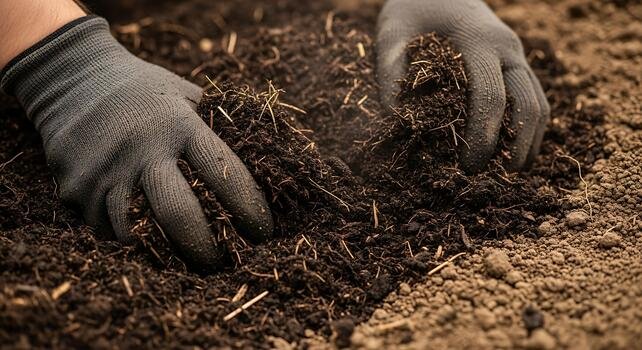
Aged and double-shredded mulches break down faster into the soil and feed the beds through the season. They work best in vegetable gardens, perennial borders, and planted areas where organic soil input is the main goal. Plan on refreshing these beds each year since the breakdown is faster than standard shredded hardwood.
We schedule mulching jobs across spring, summer, and early fall in Central PA. Tell us how many beds, what color you’re after, and we’ll come measure and put a quote together. No pressure if the timing’s wrong. We’ll just plan the next window.
Fresh mulch does more than improve how a property looks from the street. Applied at the right depth and in the right type, it actively works for the beds through the entire growing season.
A two to three inch layer of mulch blocks sunlight from reaching the soil surface, which is what weed seeds need to germinate. Most weeds that do break through a properly applied mulch layer have shallow roots and pull clean. Consistent depth across the full bed is what makes the suppression work. Thin or uneven coverage leaves gaps where weeds establish early.
Mulched beds retain significantly more moisture than bare soil, which reduces how often foundation plantings and garden borders need water through July and August. The mulch layer moderates soil temperature too, keeping roots cooler during heat stretches. That matters on Lancaster County properties with south and west-facing beds that take full afternoon sun.
As hardwood and specialty mulches break down through the season, they feed organic matter back into the soil. That improves soil structure, supports root development, and makes beds more hospitable to plantings year over year. Annual mulching is not just a cosmetic refresh but a practical part of maintaining healthy beds across Lancaster County properties.
Our Process
Four steps from the first phone call to a finished property. None complicated. Here's how the work runs.
01
We come to the property, walk the beds, measure square footage, and ask about color and type. You get a written quote with a single yardage number, an install date, and a price before any commitment.
02
We confirm a date that works for your schedule. Bulk mulch delivery arrives loose by the yard on the day of install, sized to the quote. No bagged mulch unless you specifically request it for a small job.
03
We clean leaves and old debris from the beds, edge where it makes sense, and spread the mulch to even depth. Beds get pulled back from trunks and stems. Tree rings get the volcano-mulch problem fixed if a previous job left it that way.
04
Driveway, walkways, patio, and lawn get cleaned of any spill or dye marks. Leftover mulch is removed unless you’d like a small reserve pile kept for touch-ups. The property leaves the way you’d want it to leave.
Why Choose Us
We measure every bed before ordering mulch because eyeballed quotes are almost always off. Too little leaves beds thin and patchy, too much creates a leftover pile in your driveway for weeks. Our written quote is based on square footage measured from every bed on your property.
Lancaster County properties have patterns that two decades of local work have taught us to anticipate. Clay soils pool water in spring, west-facing beds lose color faster, and slopes need coarser mulch to hold its position in heavy rain. We factor all of these conditions in first.
You receive a confirmed installation date in writing and we hold it unless weather forces a change. When a reschedule becomes necessary, we contact you the same day with a new confirmed date. Your beds are not left partially unfinished while the crew is working on another property.
Keystone Outdoor Solutions has worked on Lancaster County properties since 2002. We know how local soils behave, how slopes move mulch in a heavy rain, and how different bed types need handling. That experience means fewer mistakes and more consistent results on every mulching job.
Tell us how many beds, what kind of mulch you’d like, and when you’d like the work done. We’ll come out, measure, and put a written, itemized quote in your hands. Free onsite measurement, no obligation, no high-pressure follow-up.
Areas We Serve
Keystone Outdoor Solutions provides professional mulching and mulch delivery services to homeowners searching for a reliable mulch contractor near them. We serve Lancaster County and the surrounding area, including Berks, Lebanon, Chester, Dauphin, and Cumberland counties. Travel is included in every written quote up to a reasonable radius. If you are outside that range and want to know if we come out, call and ask. The answer is usually yes.
Lancaster, PA sits in the heart of South Central Pennsylvania, surrounded by some of the most productive farmland in the country. The city itself is a mix of older row home neighborhoods with tight, shaded lots and newer residential developments spreading out through townships like Manheim, East Hempfield, Pequea, and Conestoga. Both property types come with their own mulching needs and bed conditions.
The county sits in a humid continental climate zone with cold winters, wet springs, and humid summers. Clay-heavy soils are common throughout the region, which means drainage and moisture retention in beds behaves differently here than in drier markets. Spring arrives gradually, with soil temperatures rising through March and April before perennial beds fully wake up. That timing shapes the entire mulching season.
FAQ's
For most flower beds and garden borders in Pennsylvania, shredded hardwood mulch is the most reliable choice. It holds together well, breaks down gradually to feed the soil, and lasts a full growing season before it needs a refresh. If you want longer-lasting color, a dyed hardwood in black or brown extends the look through most of the season. For perennial beds and vegetable gardens where you want organic matter feeding back into the soil, an aged or double-shredded mulch breaks down faster on purpose. Cedar is worth considering for shaded, low-maintenance borders where you want to go two seasons between refreshes. The main thing to match is the bed type and how active the planting is.
The formula is: square footage of the bed multiplied by the depth in inches, divided by 324. That gives you cubic yards. As a quick shortcut, one cubic yard covers roughly 100 square feet at 3 inches deep or about 162 square feet at 2 inches deep. For a single rectangular bed, the math is straightforward. For a full property with curved foundation plantings, tree rings, and beds at different depths, the numbers get unreliable fast because edges are judgment calls and depths vary. That is why we measure onsite as part of every free quote. You get a single yardage number you can trust instead of guessing and ending up short or with a leftover pile in the driveway.
In most cases you can top-dress on top of old mulch without removing it first. If last season’s mulch has broken down into the soil, adding a fresh inch or two on top is the standard approach and it is the right call for established beds. Where removal makes sense is when the old layer is matted and hydrophobic, meaning water beads off instead of soaking in, or when the depth is already at three inches and adding more would push it past the safe range for plant roots and stems. We assess this during the onsite measurement walk and let you know before any work begins.
Natural mulch fades from its initial color to a softer, weathered tone over the growing season. Dyed mulch holds a consistent black, brown, or red through most of the season before it begins to fade. For curb appeal and properties where consistent color through summer matters, dyed mulch is the stronger choice. For vegetable gardens, perennial beds, and areas where organic input to the soil is the priority, natural or aged hardwood mulch is better because the breakdown is part of the benefit. Neither is inherently superior. It depends on what the bed is doing and what you want it to look like from the street.
For most properties in Lancaster County and Central PA, once a year in spring is the right cadence. The primary window is late March through mid-May, after the soil has warmed but before perennials are too tall to spread around. Foundation beds, tree rings, and flower borders typically need an annual refresh to maintain proper depth and suppress early weeds before summer heat sets in. Cedar and pine bark in shaded beds can often go two seasons before a refresh is needed. Fall is the secondary window for new plantings, missed spring beds, or properties that want added root insulation through Central PA’s freeze-thaw cycle. Mid-summer touch-ups make sense when a bed is showing significant fade or thin coverage by July.
Cedar mulch lasts the longest of the common residential options, often holding its look and structure into a second season in shaded beds. Pine bark is a close second and has a chunkier texture that reads especially well against brick and natural stone. Both run higher per yard than standard shredded hardwood but the extended lifespan offsets the cost difference on low-maintenance beds. Standard hardwood mulch is mid-range, lasting one full growing season in most Lancaster County conditions. Aged and finely shredded mulches break down the fastest because their purpose is to feed the soil rather than to last. Sun exposure, slope, and rainfall all change the timeline. A west-facing bed in full afternoon sun will fade and break down faster than a north-side foundation bed in full shade.
Mulch and rock serve different purposes and the right choice depends on the bed. For active planting areas including foundation beds, flower borders, tree rings, and vegetable gardens, mulch is the better choice because it feeds the soil as it breaks down, holds moisture for plant roots, and moderates soil temperature. Rock does not break down, requires no annual refresh, and works well in low-plant utility zones like downspout splash areas, narrow side yards, and drainage strips where organic input is not a priority. Rock can also heat foundation beds significantly in full summer sun, which stresses shallow-rooted plants. Many properties in Lancaster County use both, matching the material to what the zone is actually doing.
Yes, mulching around trees is beneficial when done correctly, but the most common mistake in Lancaster County landscapes is volcano mulching, where mulch gets piled directly against the trunk in a mound. That traps moisture against the bark, creates conditions for rot and pest activity, and slowly damages the tree over several seasons. The correct approach is a clean ring with two to three inches of mulch at the outer edge, tapering down to nothing at the trunk base with a gap of at least three to four inches between the mulch and the bark. We fix volcano mulch situations when we see them as part of the standard job, not as an add-on.
A professional mulching job from Keystone Outdoor Solutions starts with a free onsite measurement. We walk the property, measure square footage bed by bed, ask about your preferred mulch type and color, and put together a written quote with a single yardage number and an install date. There is no commitment required to get the quote. On install day, bulk mulch is delivered loose by the yard sized to the quote. We clear debris from the beds, spread to even depth, pull mulch back from trunks and stems, and clean the driveway, walkways, and patio before we leave. Pricing is based on yardage and the type of mulch selected. We do not publish pricing online because every property measures differently, but the written quote you receive covers everything with no surprises at the end.